
Articles
Should teenagers own smartphones?

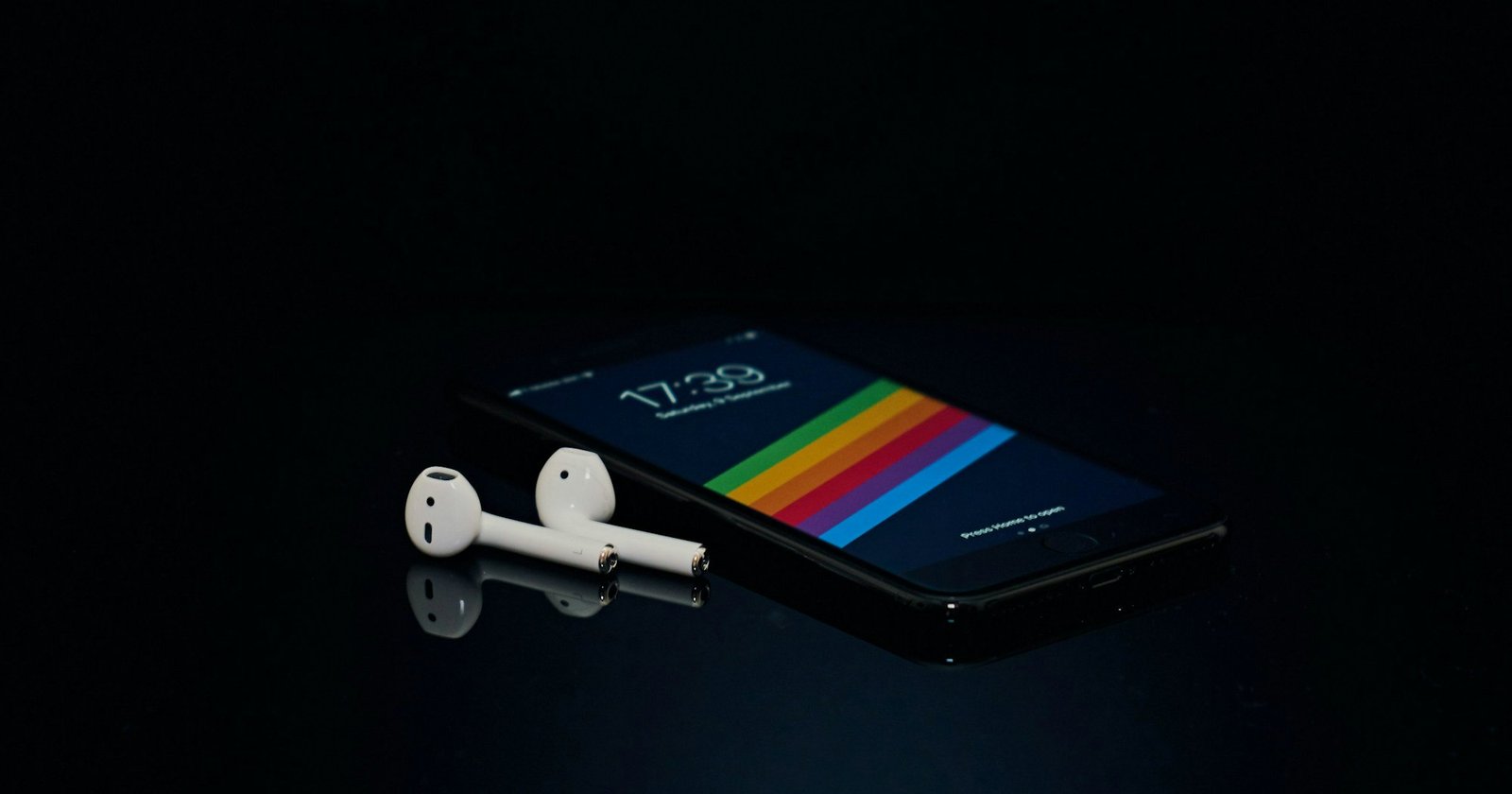
When the twenty-year-old Silicon Valley whiz kids were wowing the world with shiny new gadgets -- iPods, then iPhones and iPads -- many of the inventors didn't have children. Only a few of them were raising teenagers. Most of them are now parents, and many of them have teenagers -- teenagers who have become addicted to the gadgets their parents created years ago.
This is the story of Tony Fadell, a former senior vice president at Apple, known as the "grandfather of the iPod" and a key member of the early iPhone design team. On the occasion of the iPhone's tenth anniversary, he admitted in an interview: "Sometimes I wake up in a cold sweat, thinking: What have we brought into the world?"«
Fadell, a father of three, has learned how powerful the iPhone addiction is—an addiction that can’t be broken. «I know what happens when I take technology away from my kids. They literally feel like I’m taking away a part of their identity—they get emotional, very emotional. They go through withdrawal for two or three days.».
«"This self-centered culture is starting to get annoying," Fadell said. "Parents didn't know what to do. They didn't realize that this was something that needed to be taught because we didn't know ourselves. We all kind of absorbed it.".
Yes, we've all fallen into this trap — techies, teens, and parents. All of us. And now we're trying to figure out how to manage our devices wisely.
Teenagers, smartphones and depression
Digital addiction has coincided with rapid changes in the dynamics of public high schools. Last winter, I asked one of the assistant principals of a large high school in the Twin Cities area (with more than 2,000 students) how her work has changed over the past two decades.
«Now, many of the iPhone inventors have teenagers — teenagers who have become addicted to gadgets their parents created years ago,» she noted.
She said that much has remained the same. "But one thing that has changed dramatically in over twenty years of working with teens is their addiction to instant gratification and feedback from others. How many likes do I have? How many followers do I have? There's a compulsion to put something online to see how many likes I can get. And if that's not enough, what does that say about me?"«
«There’s a really strong connection between this behavior and the increase in mental health disorders that we’re seeing in schools,» she said. “The thing that’s changed the most in my job over the last three to five years is that we’re dealing with a lot more mental health issues now. I don’t think it’s just technology, but I really believe that digital technology is a major factor. It’s changing everything from how people interact with others to how they see themselves.”.
The destruction of a generation?
Fadell’s cold sweat and the deputy director’s testimony are captured in the disturbing headline of a recent article in The Atlantic: «Did Smartphones Kill a Generation?»
iGen is a new label for those roughly 12 to 22 years old, born between 1995 and 2005. There are some troubling signs among them. «Depression and suicide rates among teens have skyrocketed since 2011,» wrote author Jean Twend in an article about the struggles iGen faces. «It’s no exaggeration to describe iGen as teetering on the brink of their worst mental health crisis in decades. Much of this deterioration can be traced to their phones.».
«The more time teens spend looking at screens, the more likely they are to report symptoms of depression,» Twend notes. «Girls have seen the biggest increase in symptoms of depression among today’s teens.» Twend cites data that suggests depression is on the rise among both boys and girls. Boys’ depressive symptoms increased by 21 percent between 2012 and 2015. Rates among girls increased by 50 percent during the same period. Suicide rates have also increased: suicides among boys have doubled and among girls have tripled.
From what I know about these bouts of depression and what I've learned about the allure of our devices, we're faced with existential questions here about the meaning of life and acceptance by others - huge questions that weigh on the younger generation. These are questions of redemption, questions of identity, gospel questions.
Digital media forces the teen and tweens into a 24-hour pressure cooker of peer approval. But it’s not just teenagers; we all experience this social media addiction. Smartphones seem to be affecting us all.
But the question here is quite simple: Given these troubling signs, is it possible for a teenager to resist cultural influences and get through middle and high school without a smartphone?
Teenagers without smartphones
I asked Jacqueline Crowe, author of the wonderful book This Changes Everything: How the Gospel Transforms the Teenage Years, about how she managed to delay getting a smartphone until she was 18. I wondered what that wait was like.
— Jacqueline, thank you for your time and willingness to share your experiences. Research is starting to show that rates of depression among teens are on the rise, and there is no single factor to blame. But the prevalence of smartphones among iGen teens should be considered a significant reason. Does this connection surprise you?
— Absolutely not. Smartphones are a major contributor to a 24/7 culture of approval. You can't escape it. That's something our parents don't always understand, because when they were teenagers, that culture was mostly limited to school hours from 9 to 3, and then they went into the boredom of family life.
«"I looked around and saw a sea of teenagers glued to their smartphones. I was the exception, and it was uncomfortable.".
But now there’s social media that’s 24/7. There’s a constant comparison and peer approval game that you can’t escape. And it’s exhausting, painful, and definitely stressful. You can’t escape the likes, the reposts, the messages, and the photos. It’s like a never-ending popularity contest. And it works both ways. Your smartphone gives you the ability to watch the popularity contest.
It's a powerful dynamic; it's hard to escape the culture of popularity on both fronts (both supporting it and watching its manifestations). You didn't get a smartphone until you were 18, but you had friends with smartphones, right?
“Yes, they did, and I was acutely aware that most of my peers had access to something I didn’t. I could name all my friends who had phones just because I saw their devices. If Alison got a phone, I knew about it. If Jared got a phone, I knew about it. Not because they were bragging about it or embarrassing me, but because it was always there. Even when we were talking, the phone would ring or vibrate, or they would constantly fiddle with it. If there was a pause, a moment of silence, a break, they would pull out their phones, and I would be left in awkward silence and boredom.
It definitely fueled my fear of missing out (FOMO). It fueled a certain insecurity. While my friends never made me feel weird about not having a smartphone, it became an expectation, so they were surprised when they found out I didn’t have one. Sometimes I was the exception. And not just among my friends, but among my generation as a whole. I would walk through the mall or wait in line or stand on the sidewalk and look around, fully present and disconnected—watching the sea of teenagers glued to their smartphones. I was the exception, and it was uncomfortable.
Sometimes I felt lonely, even when I was surrounded by people. They were constantly connected, and I was isolated. I felt limited by my lack of access. At the same time, these feelings were mostly emotional and visual, because theoretically I agreed with my parents that I didn't need a phone at that moment.
I applaud your parents for this foresight and conviction. I fear that most parents simply give in to the pressure, as do their teenagers—a domino effect of pressure that I, as a parent, undoubtedly feel. But it’s a decision worth thinking about seriously, because the introduction of a full-featured smartphone is a decision that is not easily reversed. For you, how much trust does this decision require from a teenager—to wait? It seems like you need to trust your parents more than your peers, and that’s a major struggle of the teenage years.
"It really does require trust. And related to that is a willingness to submit and obey. Ultimately, it requires recognizing that your parents really do have your best interests at heart—emotional, mental, spiritual, and physical—and that they know you better than your peers.".
The thing is, deep down, most teens know this. They just resist because not having a smartphone makes them feel ashamed.
"I assume you had access to a phone of some kind?"
— Yes. If I went out, I often borrowed my mom's old phone in case of an emergency. I almost never used it.
— That's wise. In terms of digital media, what did you have access to before getting a smartphone?
— I had a computer, I had email, access to some social media. Technically, I could do everything from home. But in the expanding world of digital technology, it still felt limited.
Speaking now as a twenty-something, what would you say to parents who weigh the pros and cons, read all the news and testimonials from parents of teens, and conclude that delaying their teen's smartphone introduction would be a wise decision? What kind of resistance can they expect from their teen?
— To parents, I would say: make your kids wait. I’ve seen it, I’ve heard it, and I can attest to it because I got my own smartphone—smartphones change you. They give you overwhelming and shocking access. They destroy your ability to concentrate. They are highly addictive. You can (and should!) set limits, but a smartphone fundamentally changes your heart and mind. If teenagers can delay this change, I think that’s a wise decision.
Teach your teens discipline and discretion before you entrust them with the dangers of a smartphone. Of course, smartphones are not inherently evil; they can be very useful. But you have to know how to use them.
If you force your teen to wait, don't discount the pain they'll feel from being locked out, but use this time to prepare them for the wise and responsible use of technology. In the hands of unprepared, immature teens, smartphones can be dangerous.
As for the resistance that parents will definitely hear, teens will feel alienated. It can make them feel irritated, confused, lonely, or hurt, and if they vent their anger, it's understandable. They may feel disconnected from their friends. They may feel hurt by peer pressure. They may be afraid of missing out on something important. They may even have some legitimate concerns (like having a phone when they go out alone).
Parents, in response to this resistance, be prepared to explain your reasoning. When your teens ask you, «Why can’t I have a smartphone?» they don’t really want you to say, «Because I said so.» Even if they disagree, they’ll likely respect your willingness to explain and the depth of critical thinking you’ve put into it.
«"Your joy is not in cultural ties, but in unity with Christ.".
Share your research with them. Introduce them to other teens (in person or online) who don’t have smartphones. Instead of treating them like children (just saying, «No» and moving on), aim for thoughtful, honest dialogue with them. Give them a chance to continue the conversation, and be willing to do the hard work of communication for the sake of your relationship.
— And perhaps we can conclude with a word directly to teenagers in this situation. What should they expect when facing internal and external challenges?
—To the teenagers who are taking this countercultural step, you are an exception in your generation. Obedience in life requires avoiding every weight that could trip you up in the Christian life (Hebrews 12:1). I can only urge you to hold on tight. It all comes down to this: hold on tight.
Jesus is better than a smartphone. You will repeat this truth over and over in your heart.
When you feel the weight of alienation and loneliness, don’t despair. Your identity is not about fitting in or meeting superficial expectations. It is only in Christ. And He gives you only one task: to be faithful. Right now, that looks like submitting to your parents and trusting their good intentions for you—and that might mean going without your smartphone for a while.
Do not run from this reality in shame; embrace it in faith. Your joy is not in cultural ties, but in union with Christ. So hold fast and be faithful. Your reward will come, and it is far greater than any loss you will experience in this life.
