
Articles
Not yet satisfied with our pastorate — but finding a good rhythm (Part 4)

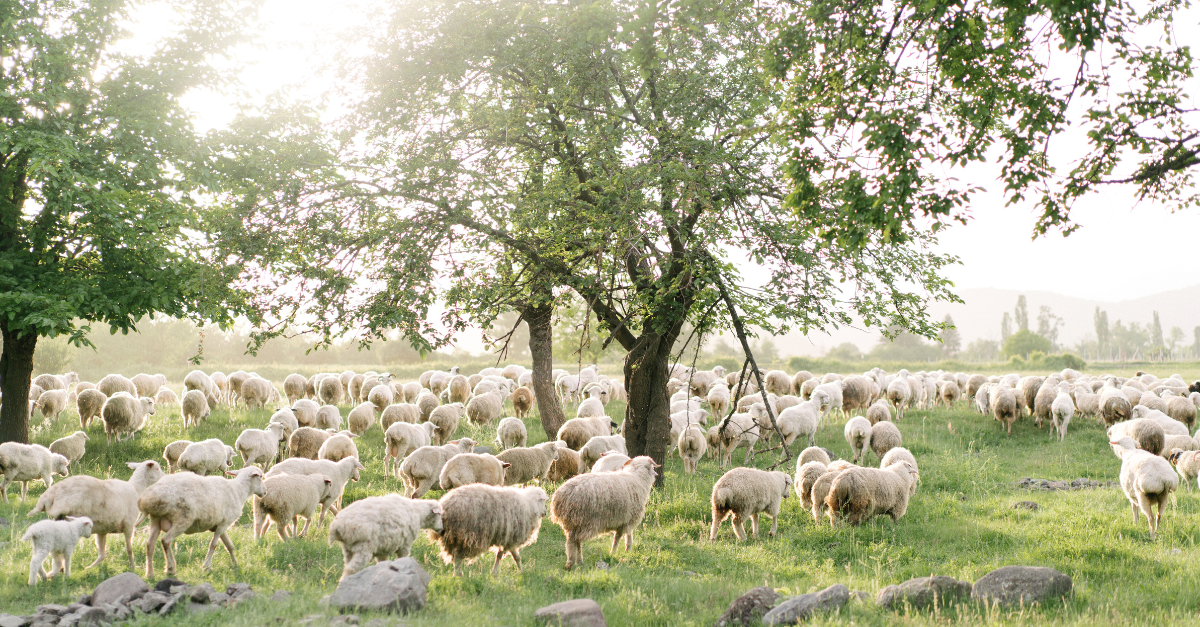
Many years ago, when our team of pastors decided to take the care of each member of the church more seriously, it was in response to several cases where the «sheep» were left unattended. How we got out of that situation can be read in a series of three previous articles that describe the entire process. Almost nine years have passed since then, and we continue this practice, gradually making some changes.
Briefly about the main thing
Each pastor is responsible for the spiritual care of approximately fifty to fifty-five members. He has a clear list of people who belong to his care group during the calendar year. We try to assign to a pastor's group those members who are already part of his ministry, small group, or social circle, so that pastoral care is not only conscious but also natural. We even try to have new members who are likely to join his group be interviewed by that pastor when they join our church.
The results are extremely good. All pastors participate in stewardship, not just those who are financially supported by the church. The church becomes a community where everyone is known, loved, cared for, and prayed for regularly.
Clarification and correction
After all these years, it’s hard to imagine our church life without this practice. At the same time, we’ve made a few adjustments—like a baseball player constantly adjusting his stance before a hit.
1. Responsibility of the whole church
In the last few years, we have shifted our focus and placed more responsibility on the church itself. Nine years ago, we realized our negligence and wanted to do everything we could to establish contact with every member. But over time, we saw that there are people who either do not have a great need for this or do not seek frequent communication.
At some meetings, pastors shared their frustrations: «So-and-so isn’t answering calls, letters, messages…» So we started reaching out to church members with a direct appeal: «Your pastor is trying to get in touch with you. The least you can do is answer!» We also try to make this task easier for them. For example, one of the pastors writes to his group: «Friends, I’ll be at the high tables in the lobby after the service. Come over — at least say hello or wave on the way out. I want to see you in person.» This usually works well.
2. Number of shepherds
We also realized that we needed more pastors. If your pastoral team is primarily an administrative board, then expanding it can make meetings cumbersome and ineffective. But if it’s primarily pastors who care about people, then some «clumsiness» in meetings is entirely justified. At first, each pastor was caring for about 75–80 people—that was too many. So we added more pastors to make the workload more manageable.
3. Public reminders
This year we put up a list of all the pastors and their group members on the bulletin board. We wanted to draw attention to the fact that every pastor has his own group, every member has his own pastor, and that is really important to us.
Over time, this helped church members better connect with the entire pastoral team. People learned to accept the ministry of both pastors who are supported by the church and those who serve as they are able.
4. Prayer needs
Another small but important change: When someone calls the church office to ask for prayer, we assure them that we will pray. But at the same time, our secretary asks the person to contact their pastor immediately.
In conclusion
Forming care groups gets a little easier every year — although sometimes it feels like choosing a team at a children's summer camp. But what's most gratifying is how more and more people in the church perceive this initiative as something valuable and are already looking forward to meeting the "shepherd of the year" (the one who will care for them all year long).
